Plastic injection moulding
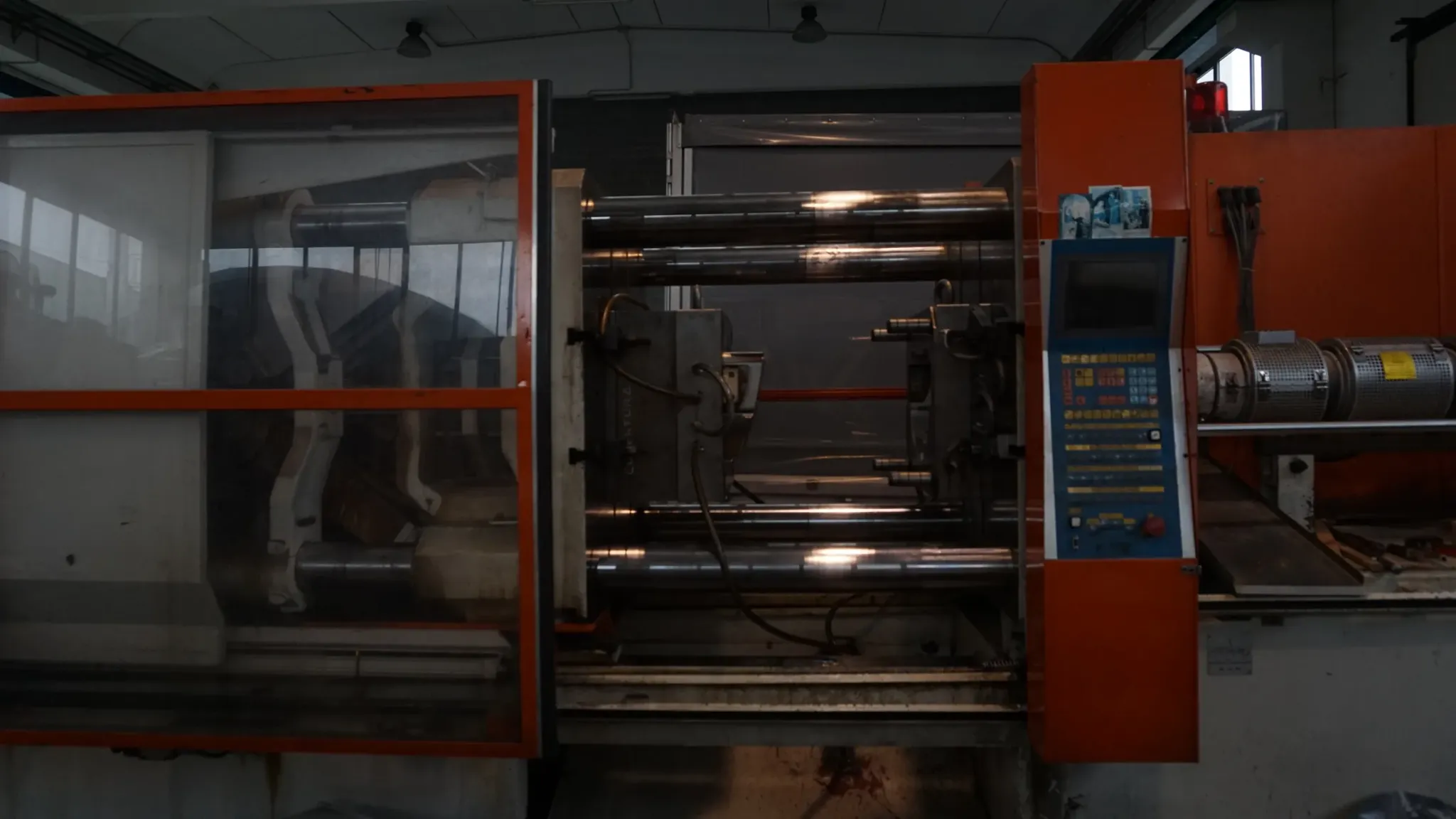
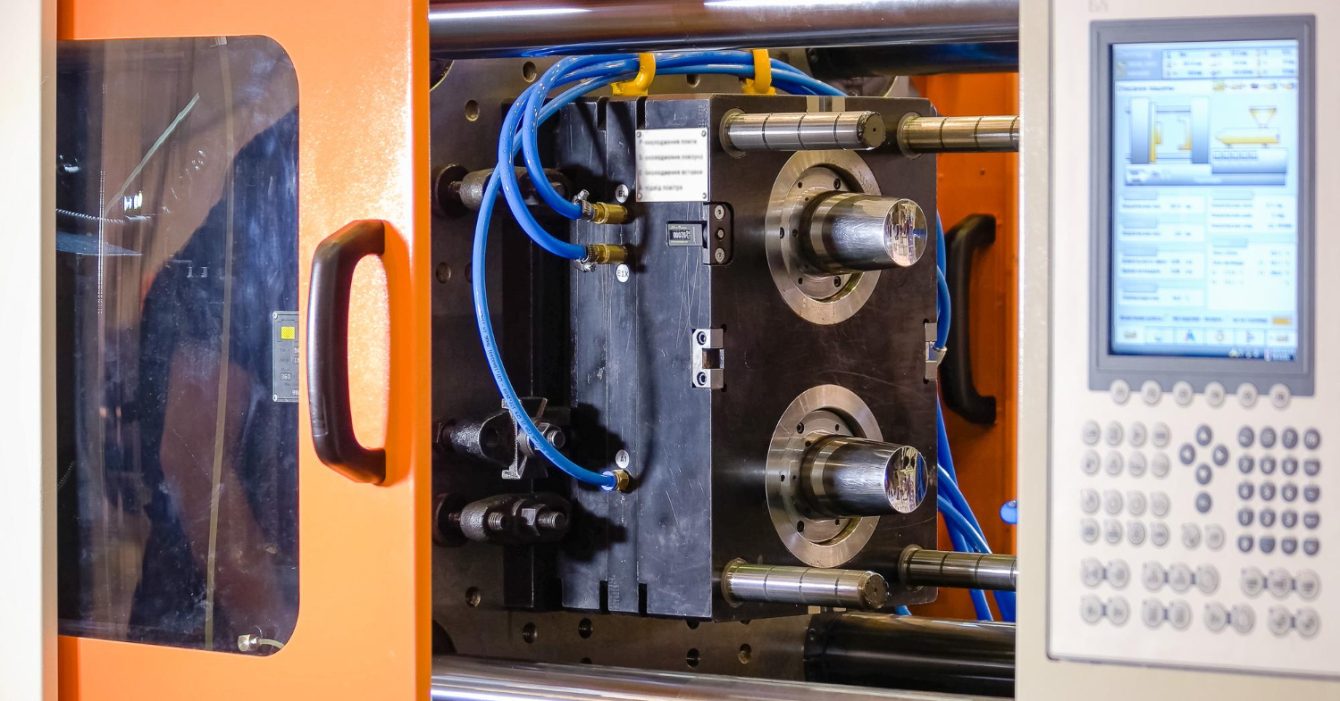
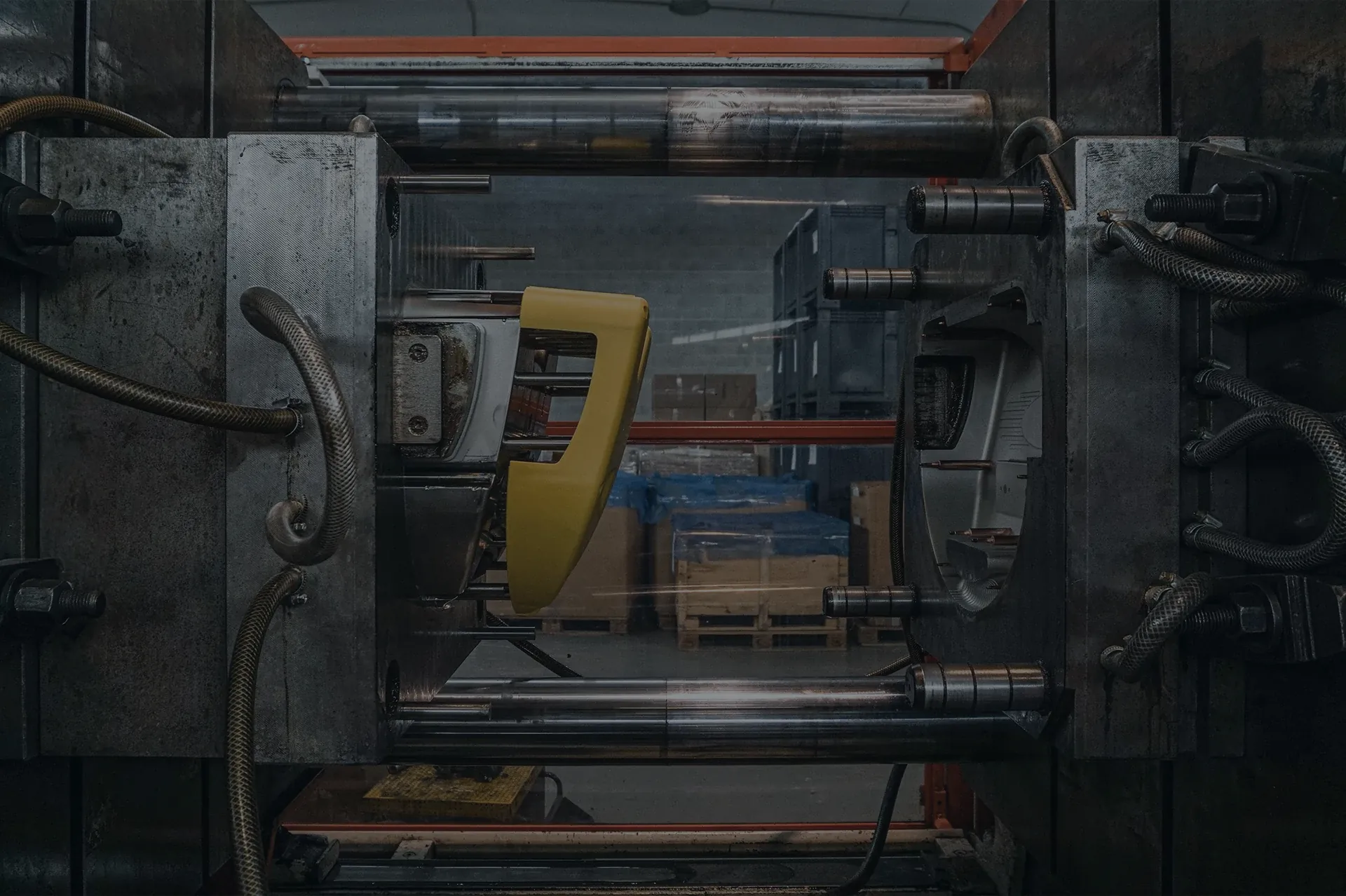
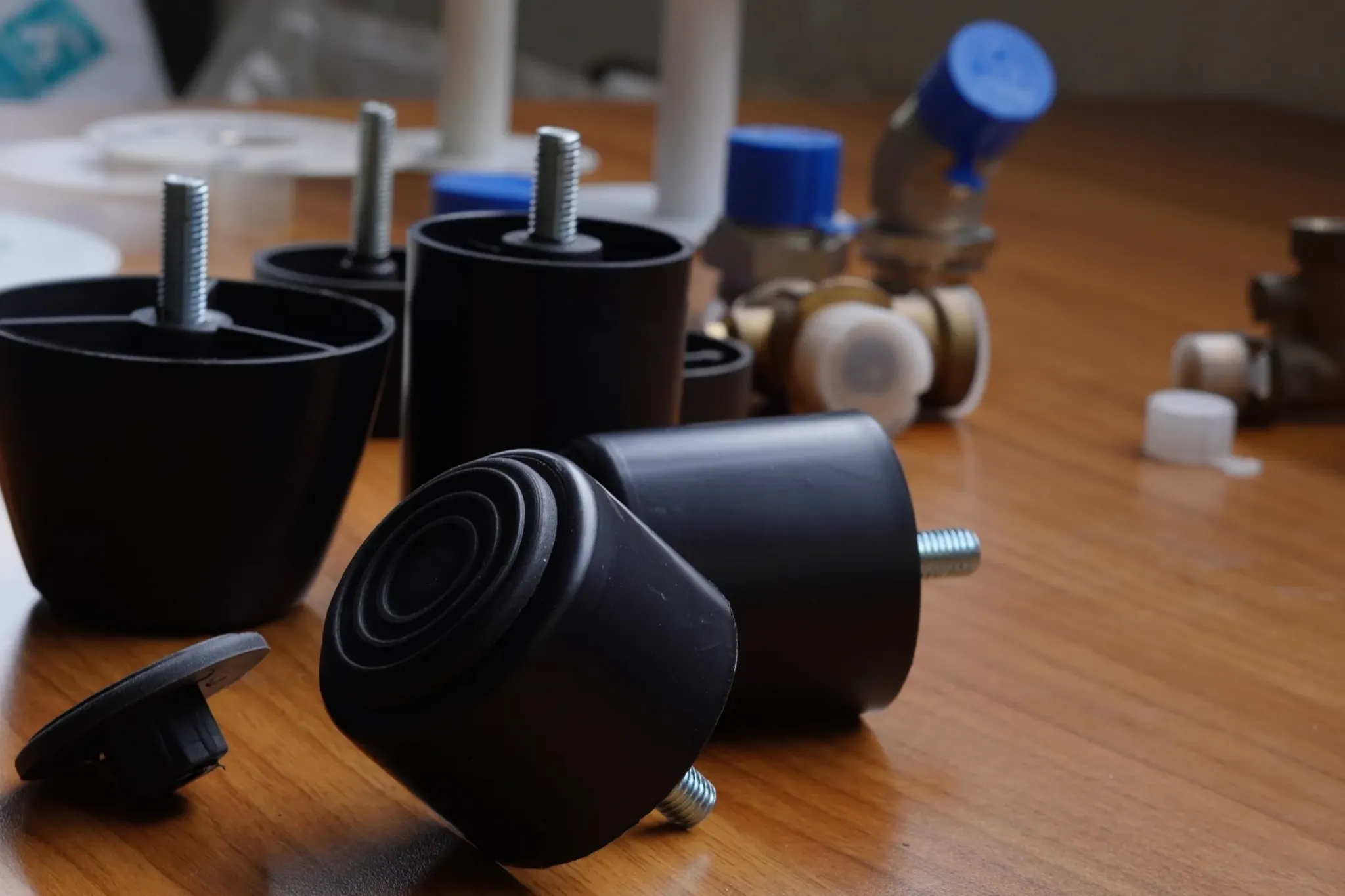
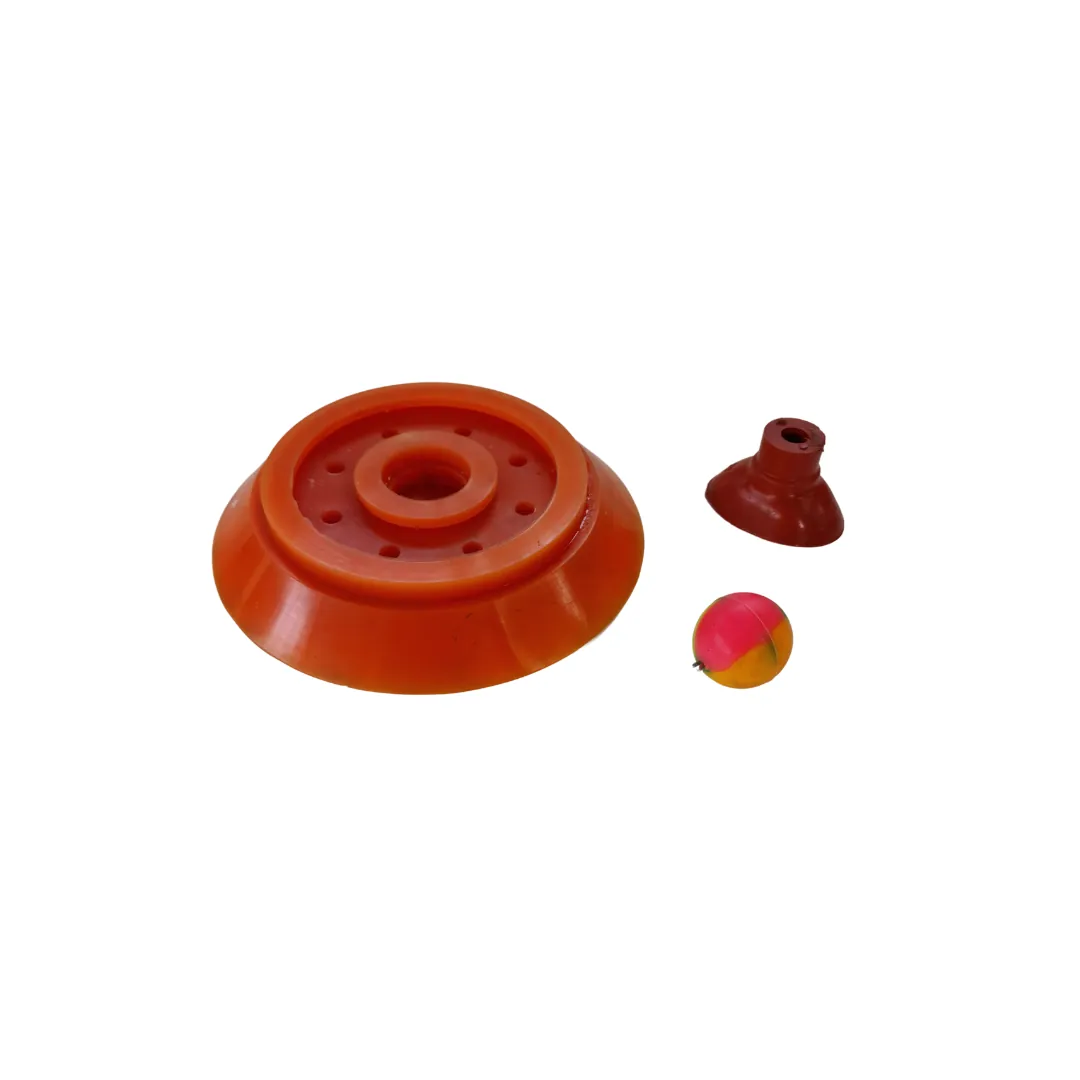
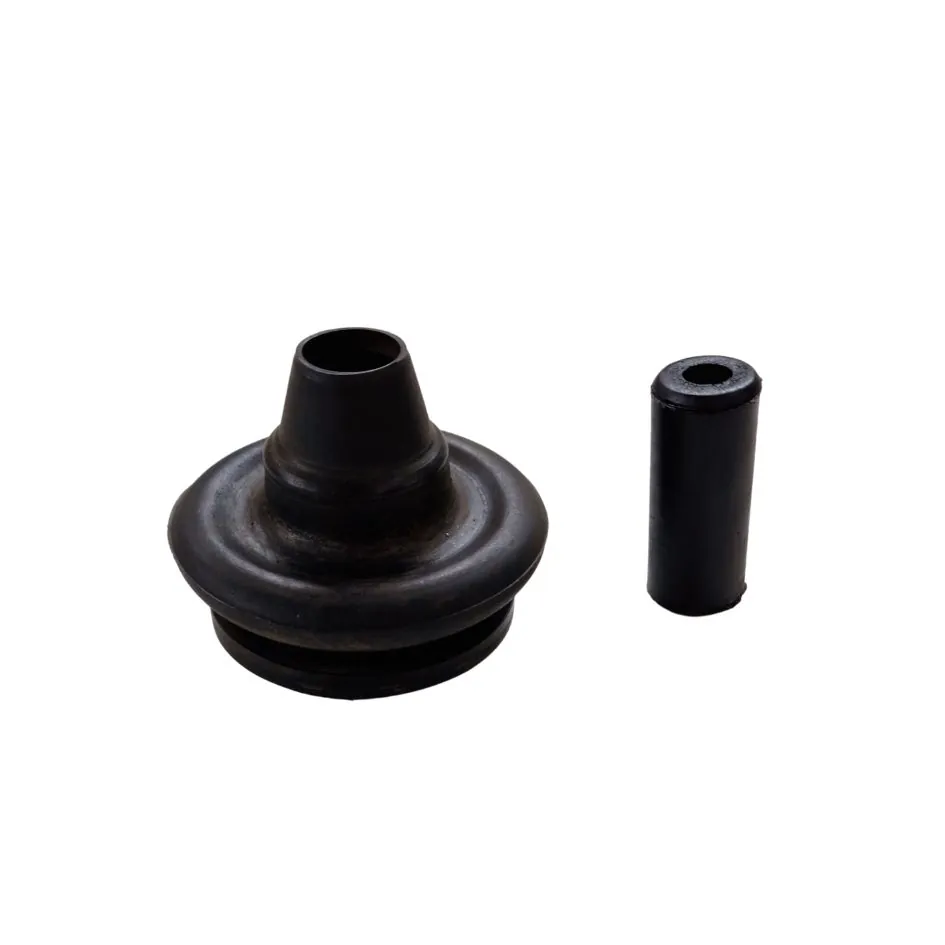
Polymer granules are melted and injected into a custom-designed metal mould. The process produces precise, repeatable components in series, including complex geometries and thin walls.
Process stages
- Material preparation The granules are fed into the hopper; hygroscopic polymers such as PA 6, PA 66 and PC are dried first, to prevent surface and structural defects.
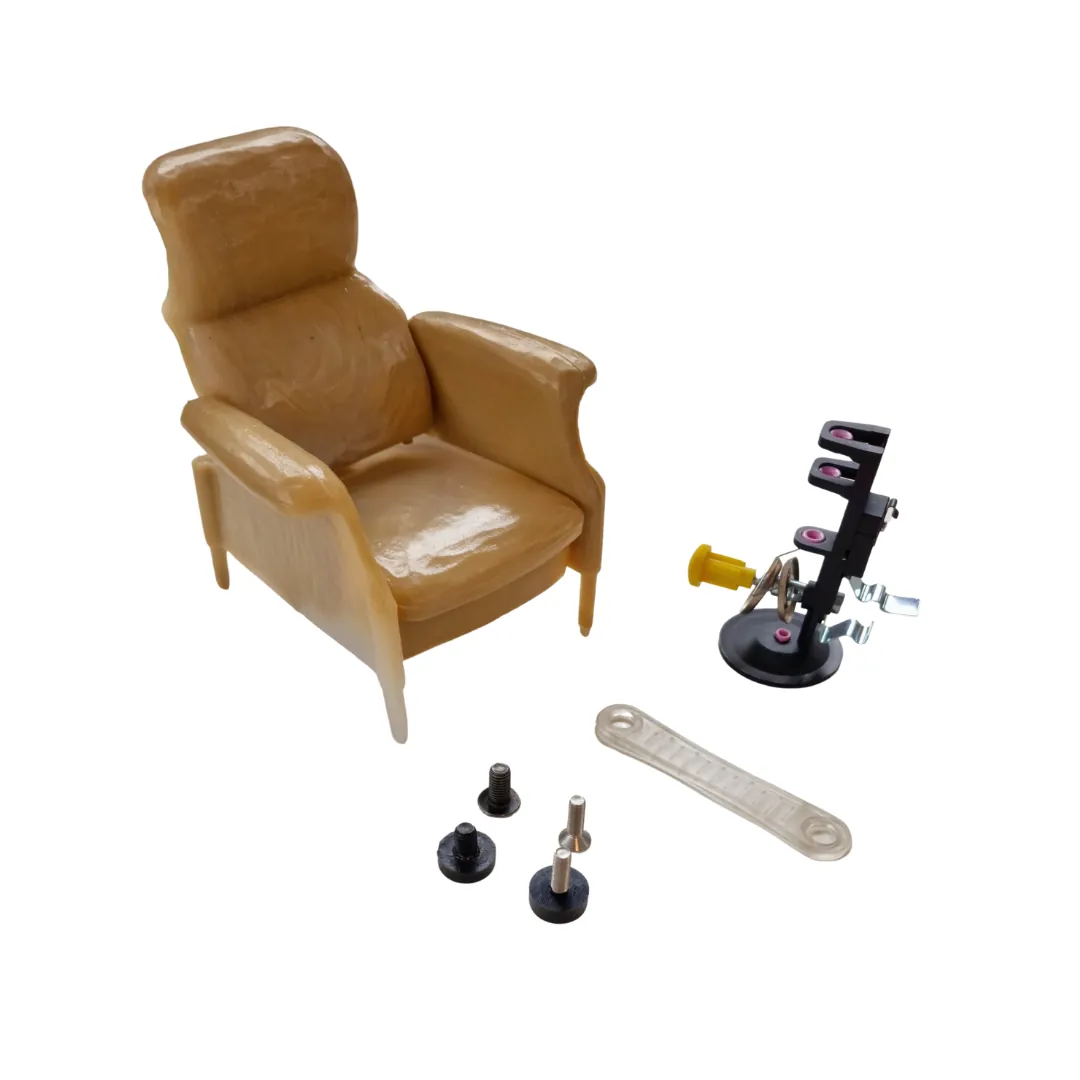
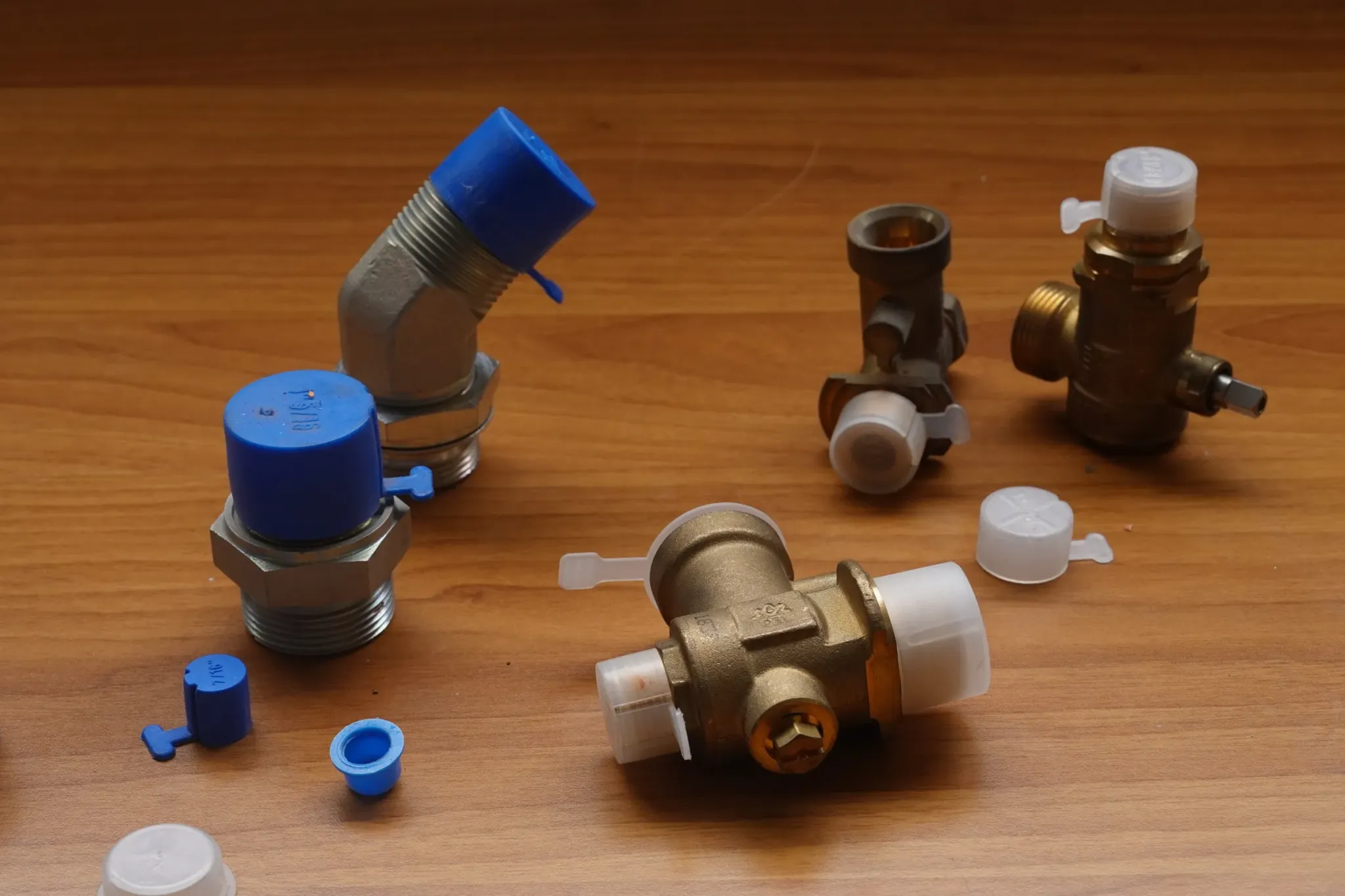
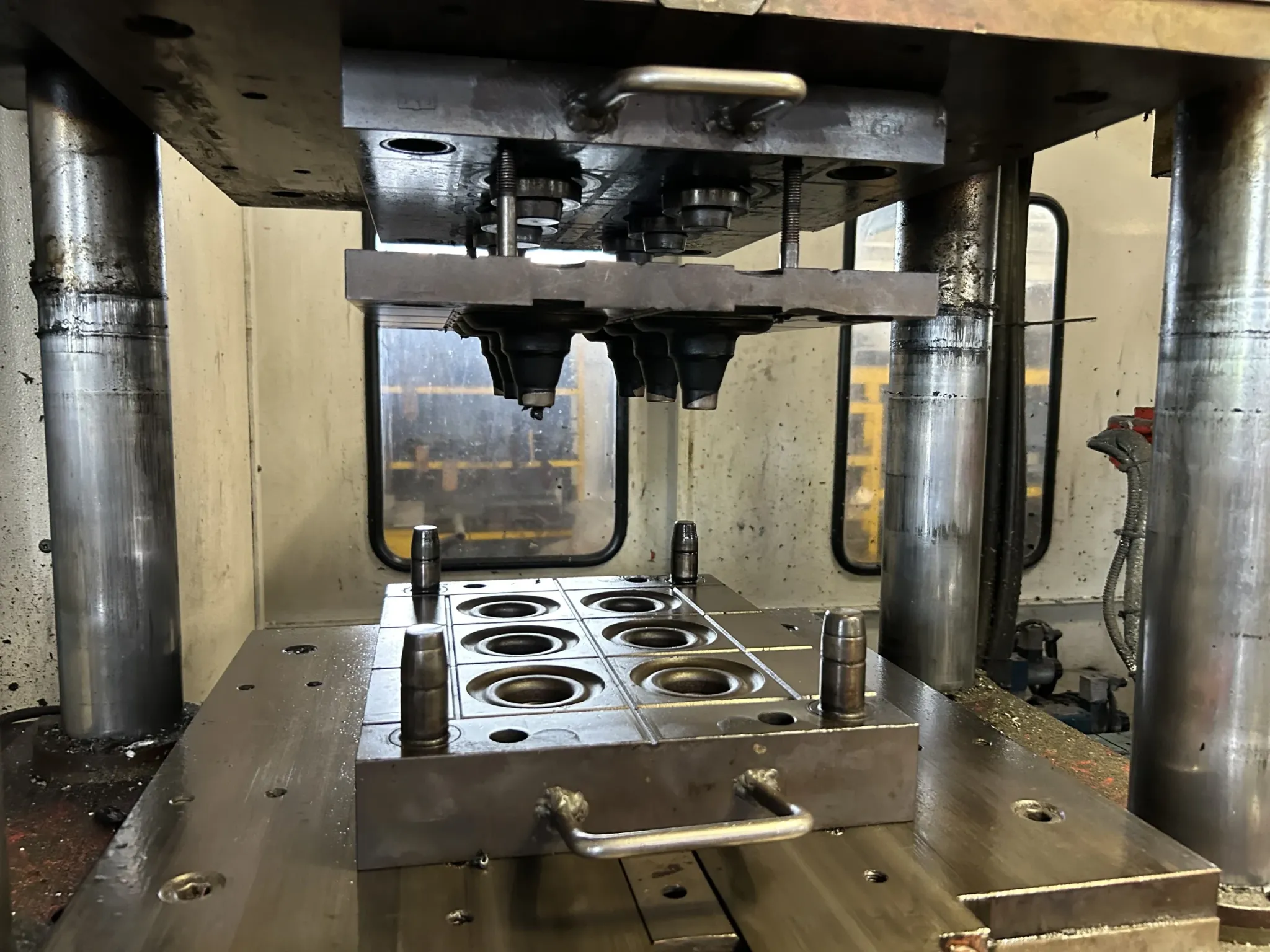
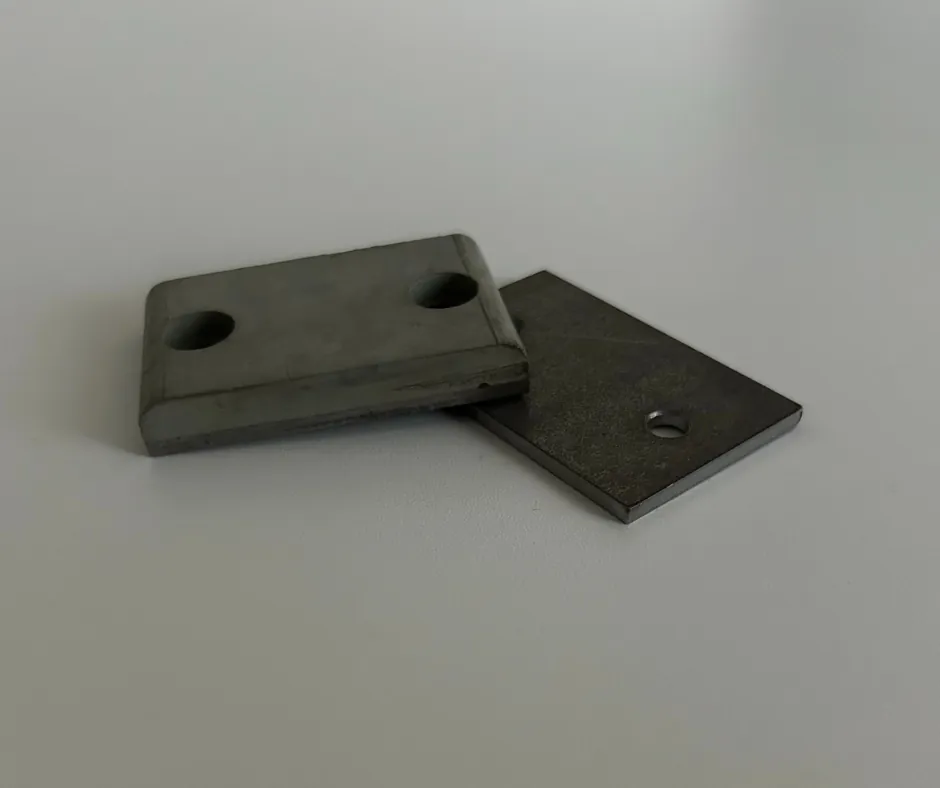
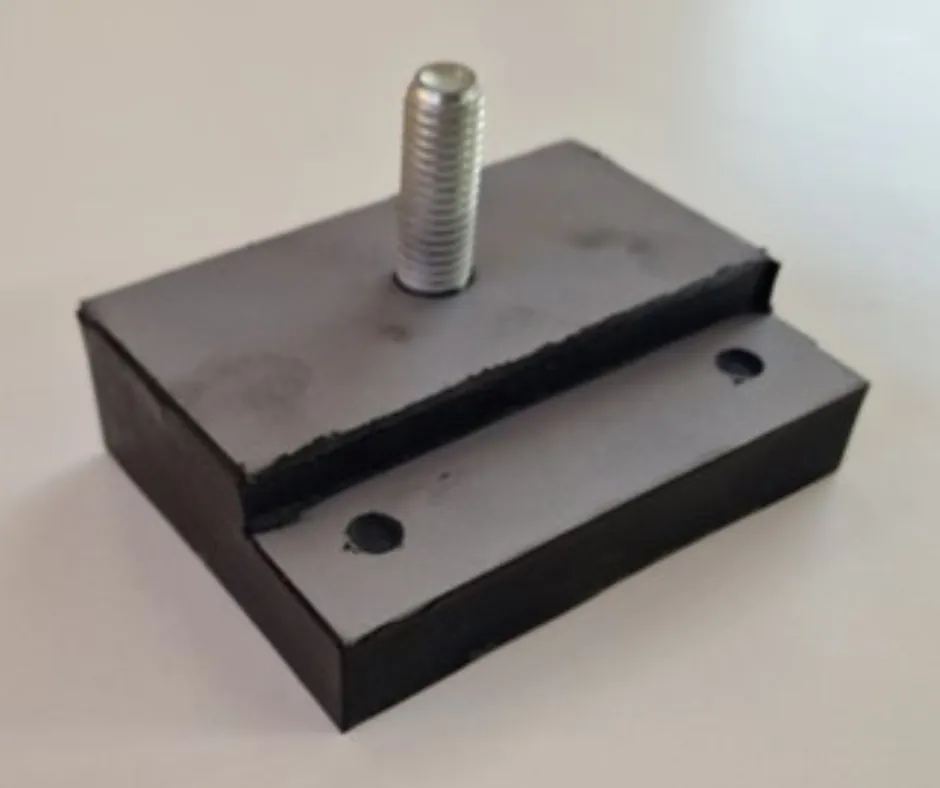
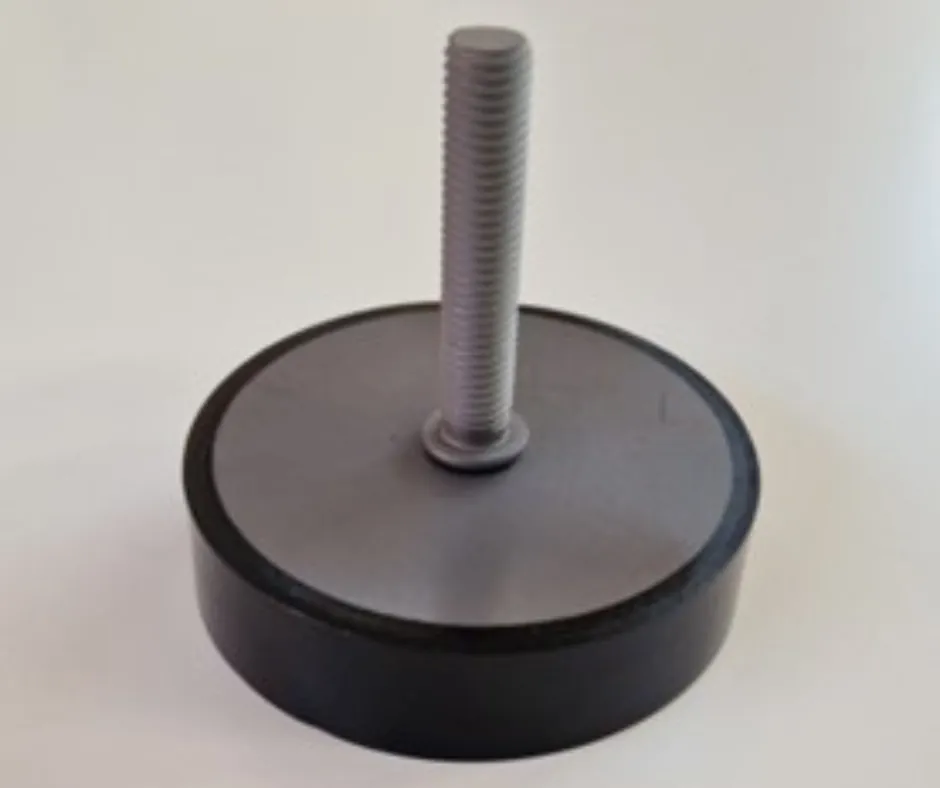
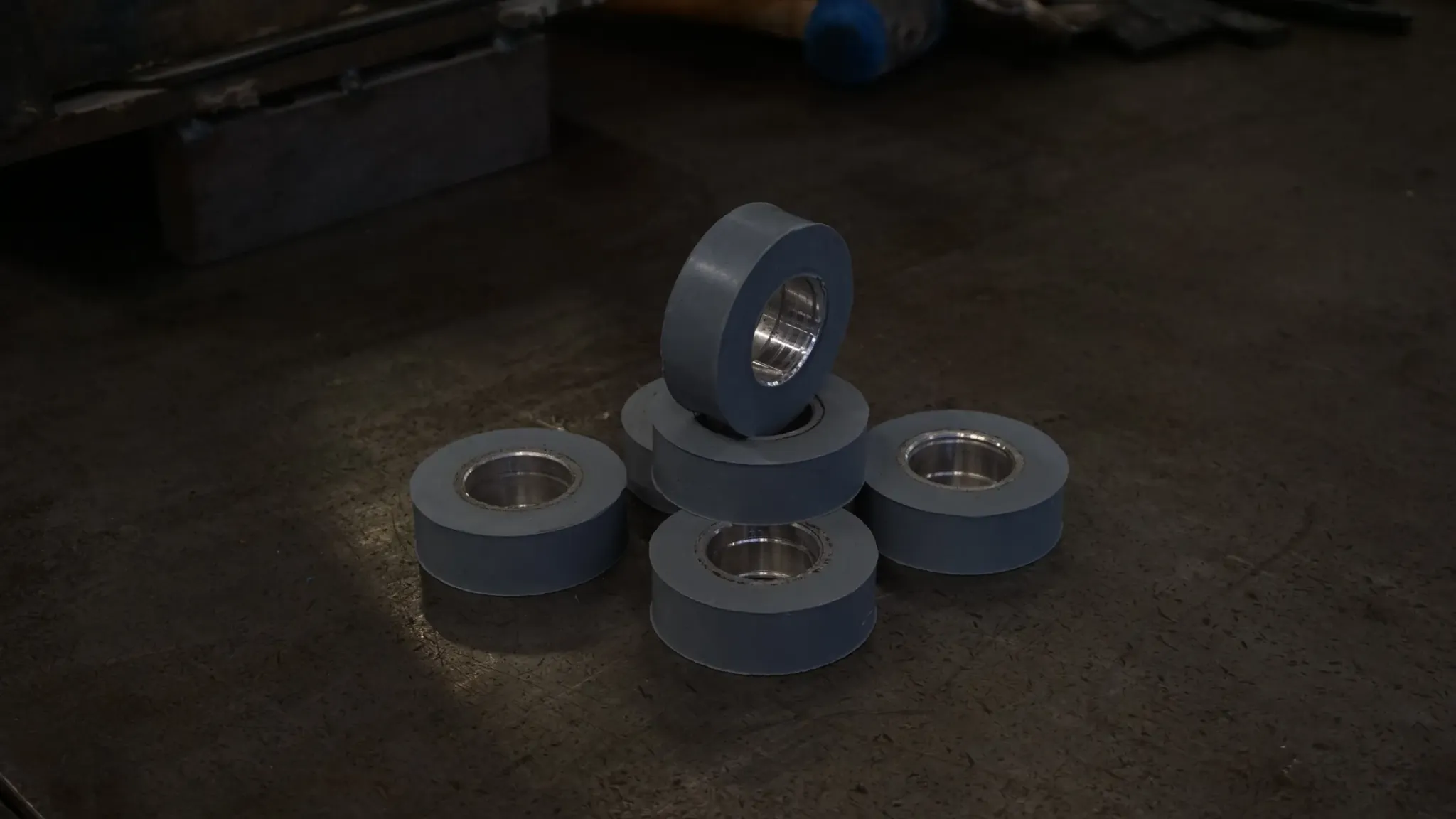
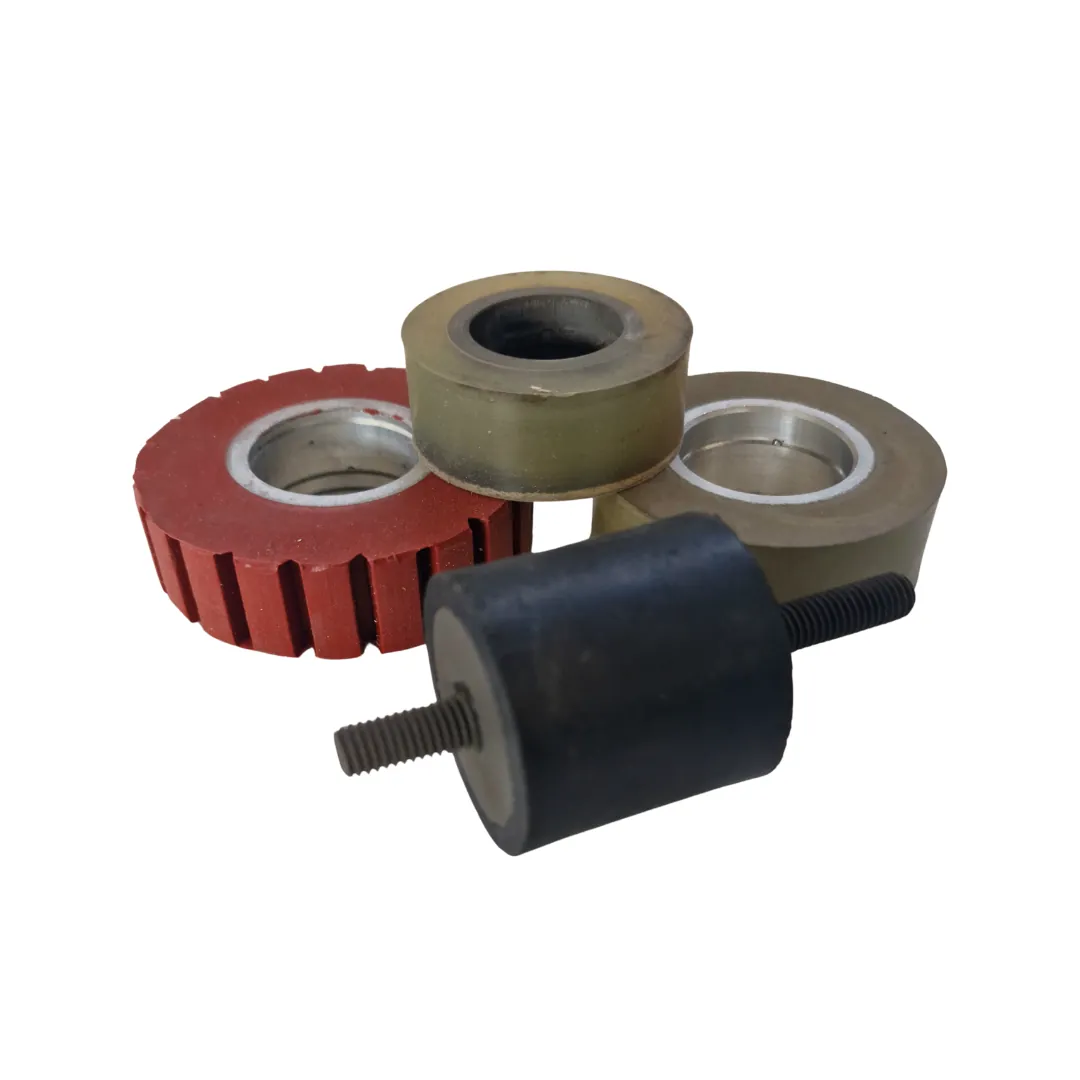
- Melting and injection The material melts in the plasticising barrel at between 120 °C and 360 °C and is injected into the closed mould. For overmoulding onto metal inserts, the inserts are placed in the mould before it closes.
- Cooling and solidification Cooling channels built into the mould ensure dimensional stability.
- Ejection from the mould Ejector pins remove the part and the sprue is removed.
Co-design
CAD modelling and 3D prototyping make it possible to optimise geometry and material at the design stage.
When it is the right choice
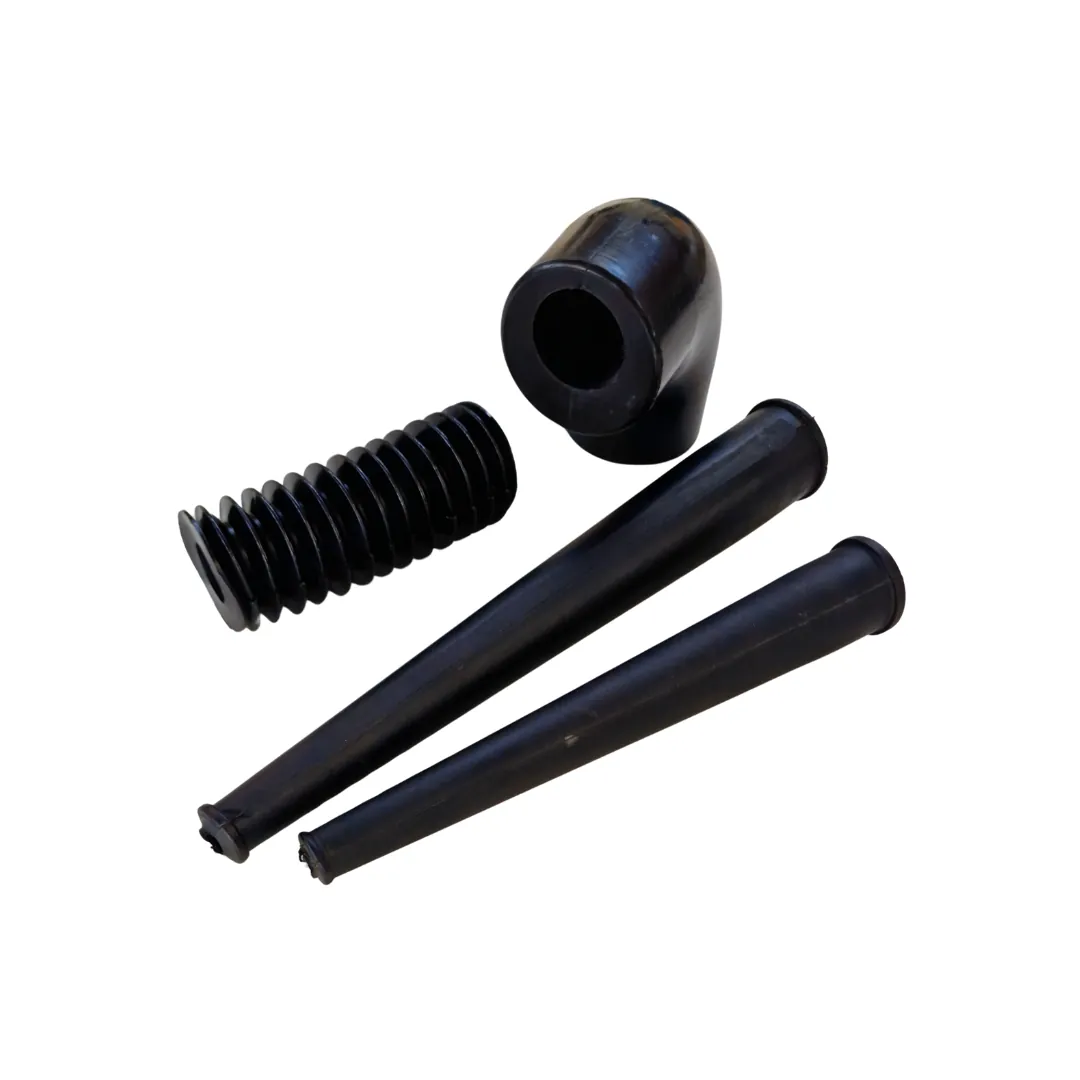
For series production, when volumes justify the cost of the mould. For prototypes and small batches 3D printing is more suitable; for rubber articles or simple geometries, compression moulding.