The best plastic processing techniques at Corti Srl
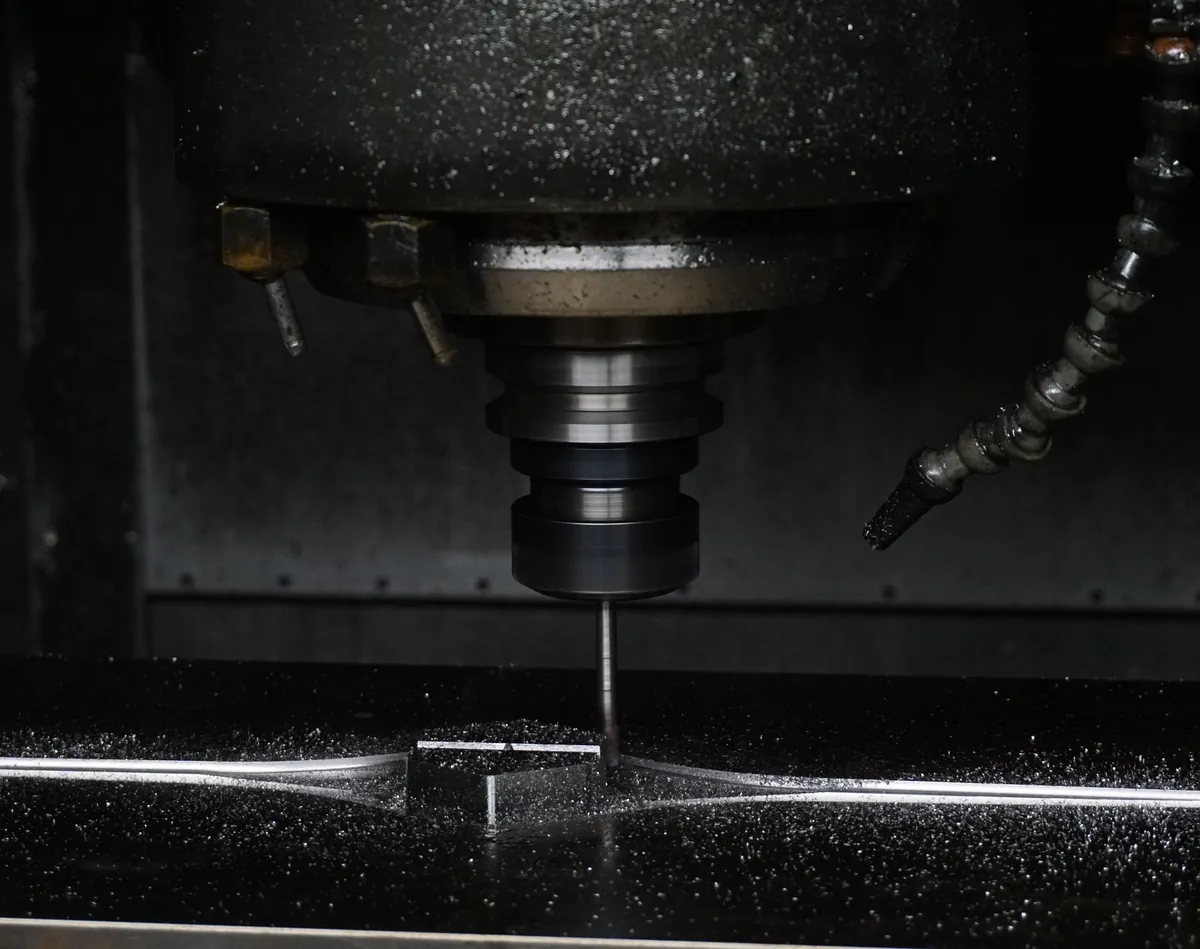
In today’s industrial landscape, Corti S.r.l. stands out as a point of reference for plastic processing and natural rubber processing. Specialising in advanced technologies and custom solutions, the company is constantly committed to innovation and quality, delivering products that meet customers’ expectations.
Injection moulding: versatility and precision
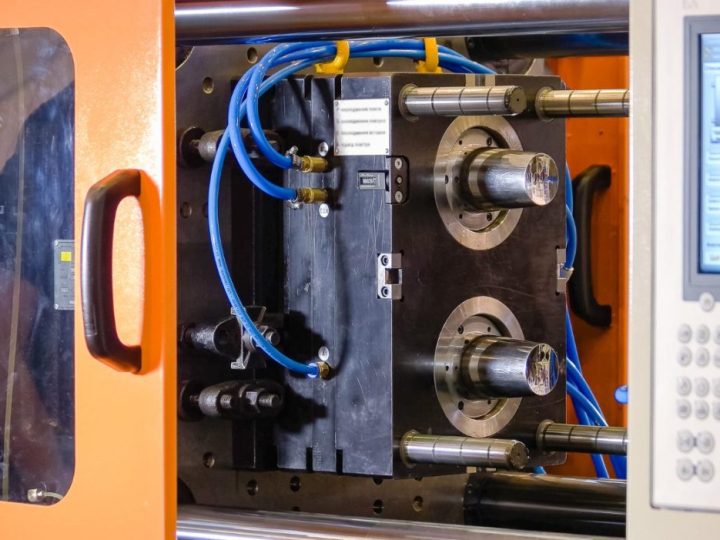
Injection moulding is a manufacturing process for plastic products. It consists of melting plastic granules and injecting them under high pressure into a closed mould. Once cooled and solidified, the plastic takes the shape of the mould. This method allows complex, high-precision components to be produced quickly and in large quantities. It is widely used in many industrial sectors for its efficiency and versatility.
The plastic injection moulding process
1. Design and creation of the mould
The first step is the design of the part to be produced, usually with CAD software(Computer-Aided Design). Once the part has been designed, a mould is made, generally in steel or aluminium, which is a negative replica of the final part.
2. Preparation of the raw material
The plastic, often in the form of granules or pellets, is prepared for injection. The granules are dried in special ovens to remove moisture and avoid defects in the finished product.
3. Injection
The plastic granules are loaded into a hopper and conveyed to a plasticising chamber. Here a heated barrel melts the plastic into a viscous material. A piston or screw pushes the melt into the mould through a nozzle.
4. Cooling and solidification
Once injected into the mould, the plastic starts to cool and solidify, taking the shape of the mould. This process must be precisely controlled to ensure the quality of the finished part and avoid deformation or internal stresses.
5. Ejection of the finished part
After cooling, the mould opens and the finished part is ejected. Automatic ejection mechanisms are sometimes needed to make this step easier.
6. Finishing
The part may need further processing such as deflashing, polishing or painting, depending on the required design and quality specifications.
7. Quality control
Finally, every part is inspected to make sure it meets all technical and quality specifications. This may include dimensional measurements, functional tests and visual inspections.
Plastic injection is valued for its ability to produce complex components with high precision and in large volumes, which makes it essential in many sectors, from furniture to consumer electronics.
Materials used for injection moulding
- Polypropylene (PP): an inexpensive and versatile polymer with chemical resistance, elasticity and insulating properties.
- Polyethylene (PE): available in high and low density, known for its flexibility and impact resistance.
- Polystyrene (PS): excellent surface finish, available in rigid and expanded form.
- Acrylonitrile butadiene styrene (ABS): an impact-resistant copolymer used in household appliances, toys and electronic housings.
- Nylon (Polyamide, PA): resistant to heat and wear, used in mechanical and thermal components such as gears and engine parts.
- SEBS (Styrene-ethylene-butylene-styrene): a flexible and stretchable thermoplastic elastomer, an alternative to natural rubber.
- Phthalate-free PVC: used in non-toxic applications such as tubes and cable sheathing, avoiding the use of phthalates.
- Nylon 6 and Nylon 6.6: they differ in properties and molecular structure; used in mechanical and automotive components.
- POM (Polyoxymethylene, Acetal): known for its high mechanical strength, dimensional stability and low friction.
- ULTEM (Polyetherimide): a high-performance polymer for the aerospace and defence industries and medical devices, resistant to heat and flame.
These materials make injection moulding extremely versatile, allowing specific customisation for different industrial sectors and applications that require specialised characteristics.
The advantages of injection moulding
Plastic injection moulding offers many advantages that make it one of the most popular and versatile methods for producing plastic components. Here are some of the main benefits:
- High production efficiency: fast cycles allow large volumes to be produced in a short time.
- Repeatability and high precision: identical parts can be produced with fine details and tight tolerances.
- Cost-efficiency for large volumes: the cost per part falls significantly as the production volume increases.
- Choice of materials: a wide choice of thermoplastics, thermosets and elastomers to meet different needs.
- Minimal secondary processing: parts need little or no finishing after production.
- Complex designs: intricate geometries can be created, including moulded-in text and logos.
- Energy savings: improved energy efficiency in modern plants and less material waste.
- Process automation: lower labour costs and greater consistency and quality of the final product.
Thanks to these advantages, injection moulding is the main choice for mass production of plastic components in many industries, including automotive, medical, electronics, textiles and furniture.
Compression moulding of natural rubber
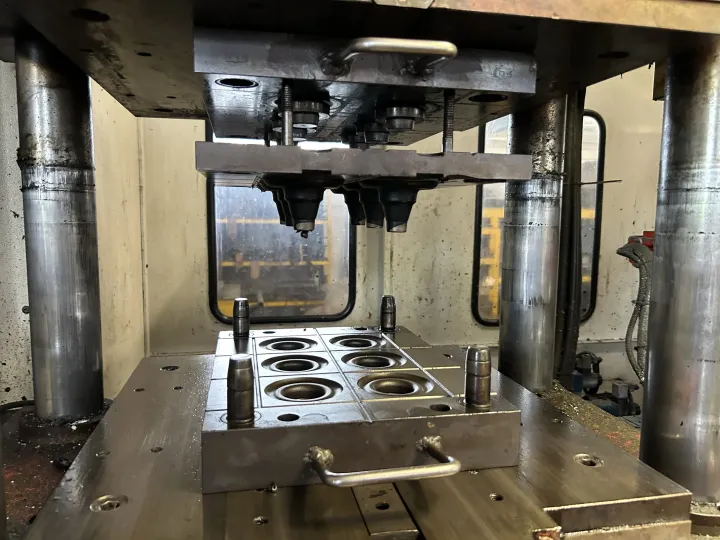
Rubber compression moulding is a process that turns rubber material into specific shapes using moulds and compression. This technique is often used to produce seals, bearings and various types of industrial components.
Features of the compression moulding process
This is how rubber compression moulding works:
- Pressure and heat: the rubber is placed in a mould, which is then closed and heated. Pressure and heat allow the rubber to take the shape of the mould.
- Vulcanisation: the process often includes vulcanisation, a heat-induced chemical reaction that bonds the rubber molecules together, improving the strength and elasticity of the final product.
- Cycle time: cycle times can vary depending on the complexity of the part and the type of rubber used. After a certain time, the mould is cooled before the finished part is removed.
- Repeatability: large quantities of components can be produced with good dimensional consistency and material properties.
Materials used:
- Silicone: resistant to heat and climatic variations, often used in applications that require a wide temperature range.
- EPDM (Ethylene Propylene Diene Monomer): excellent resistance to weathering, ozone and water, which makes it ideal for outdoor applications.
- Nitrile: known for its resistance to oils and fuels, suitable for automotive and industrial applications.
- Neoprene: good chemical and physical resistance, used in a variety of applications from marine to industrial.
- NR (Natural Rubber): high elastic and mechanical properties, often used where high resilience is required.
The advantages of compression moulding
Rubber compression moulding offers several advantages that make it a popular choice for many industrial and commercial applications. Here are some of the main ones:
- High-quality parts: excellent definition and dimensional accuracy thanks to uniform pressure, which reduces imperfections.
- Wide range of materials: different types of rubber with unique properties suit various applications and performance requirements.
- Precise control of material properties: vulcanisation during moulding allows fine control of the physical properties of the rubber, improving the durability and performance of the final product.
- Less material waste: it generates less scrap than other methods, because the amount of rubber can be precisely metered for each mould.
- Suitable for large parts: ideal for producing large rubber parts, which is more difficult with other methods such as injection moulding.
- Design flexibility: moulds can create parts with complex geometries that are difficult to produce with other methods.
These advantages make compression moulding a very versatile and valued technology in many sectors, from automotive components to medical devices and applications in extreme environmental conditions.
Overmoulding on metal parts: combining durability and functionality
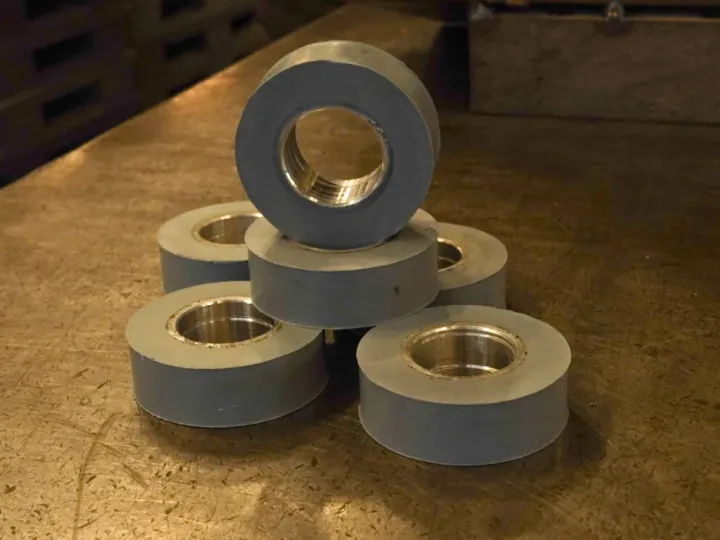
Overmoulding on metal parts in plastic moulding is a process that combines metal elements with plastics to create composite components. This process is also known as “insert moulding” or insert overmoulding.
This is how it works:
- Preparation of the metal insert: first, the metal insert is prepared. This may include cleaning, surface treatment or changes to its shape to ensure good adhesion with the plastic.
- Positioning the insert in the press: the metal insert is placed inside a mould that has the shape of the desired final part.
- Plastic injection: the molten plastic is injected into the mould. As the plastic solidifies, it surrounds or encapsulates parts of the metal insert, creating a mechanical bond.
- Cooling and removal: after cooling, the composite component is removed from the mould. The metal is now integrated into the plastic part, forming a single, robust component.
This method is used to improve the mechanical properties of the plastic component, to add metal functions such as electrical connectors, supports or reinforcements, and to exploit the combined properties of both materials. The result is a component that benefits from the strength and durability of metal together with the versatility and lightness of plastic.
The advantages of overmoulding on metal parts
Overmoulding on metal parts, or insert moulding, offers several significant advantages in manufacturing, especially when plastic and metal materials are combined. Here are the main benefits:
- Improved mechanical properties: combining metal and plastic improves the strength, durability and stability of the final product.
- Integrated functions: functions such as electrical connections can be built directly into the plastic component, reducing the number of assembly operations.
- Lower production costs and times: no secondary assembly is needed, which reduces production costs and times and the risk of assembly errors.
- Better environmental resistance: the components can better withstand extreme temperatures, corrosion and other adverse environmental conditions.
- Design versatility: complex shapes that are difficult to produce with other methods can be created.
- Weight reduction: lightweight materials such as plastic are combined with metal inserts to produce light and robust components.
- Greater product reliability: integrated components are less prone to failures caused by weak connections between different parts.
- Recyclability and sustainability: some processes can be designed to make it easier to separate materials at the end of the product’s life, improving recyclability.
These advantages make overmoulding on metal parts very attractive for industries that produce electronic, automotive and medical components, and for many other applications where the combination of strength, durability and functional integration is essential.
Conclusion: reliability and innovation
Corti S.r.l. continues to stand out for its ability to offer customised and innovative solutions, meeting market challenges with high-quality materials and state-of-the-art techniques.
The company not only meets but anticipates customers’ needs, thanks to an approach that combines tradition and innovation.
For anyone looking for a reliable partner in plastics and natural rubber, Corti S.r.l. is an excellent choice, delivering superior quality products and impeccable service.
For more information, please do not hesitate to contact Corti S.r.l. in Carate Brianza.